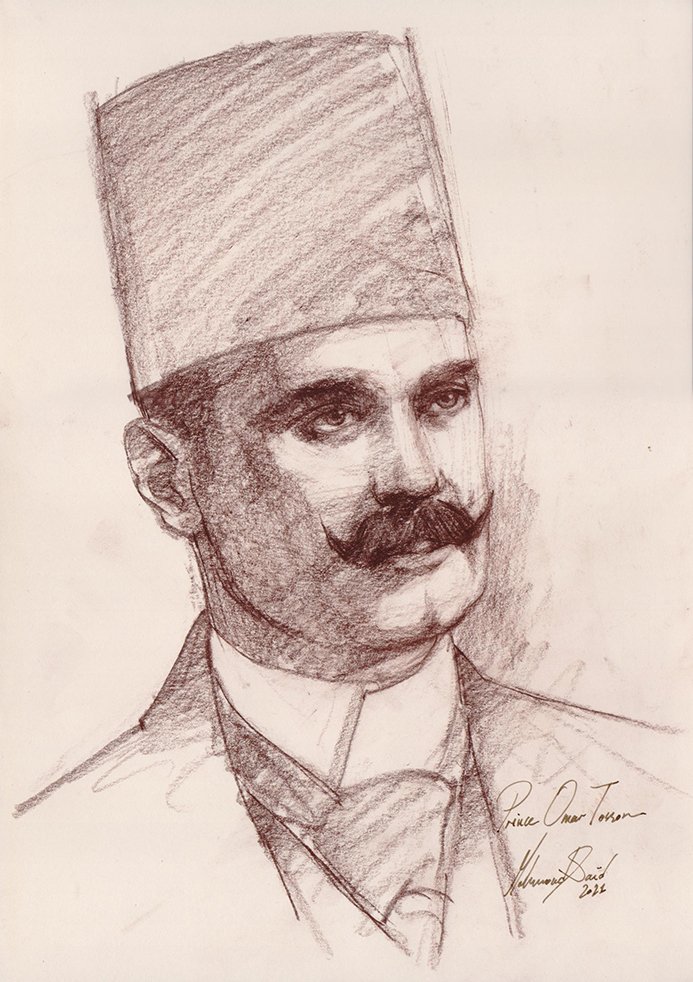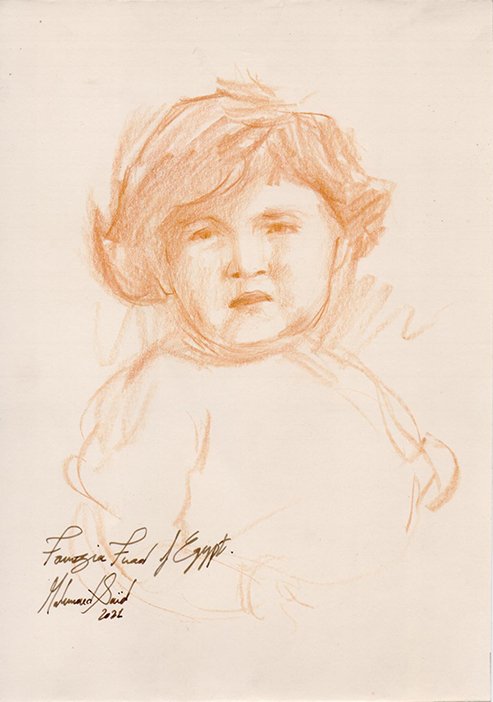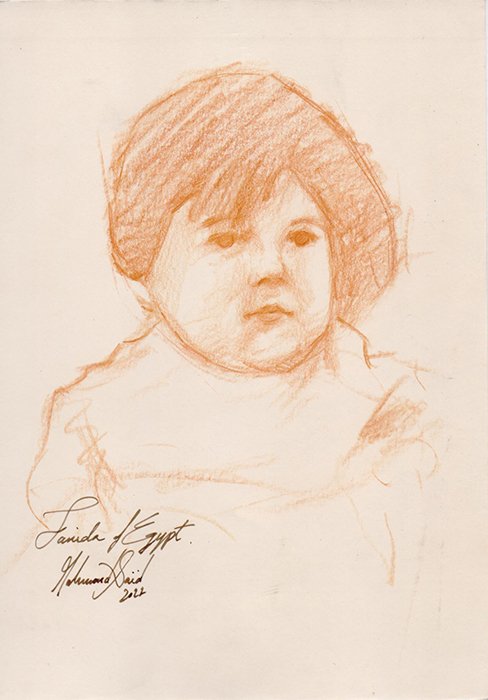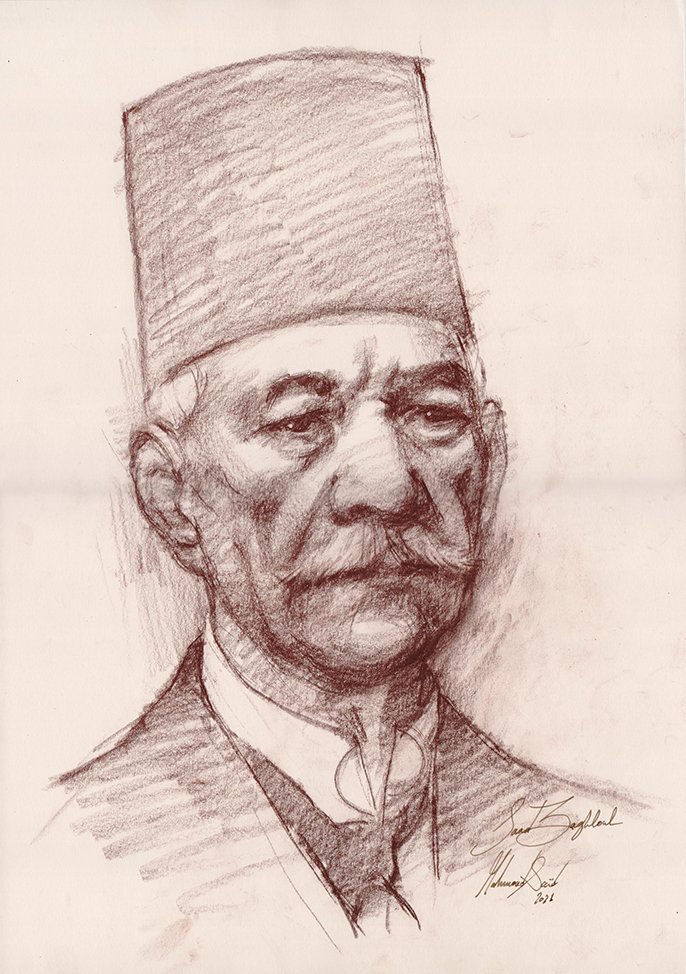
The city is a living organism in constant transformation. This is how Alexandria has always been—and continues to be. But what did the city look like one hundred years ago? How did its streets, landmarks, and people shape its identity at that moment in time?
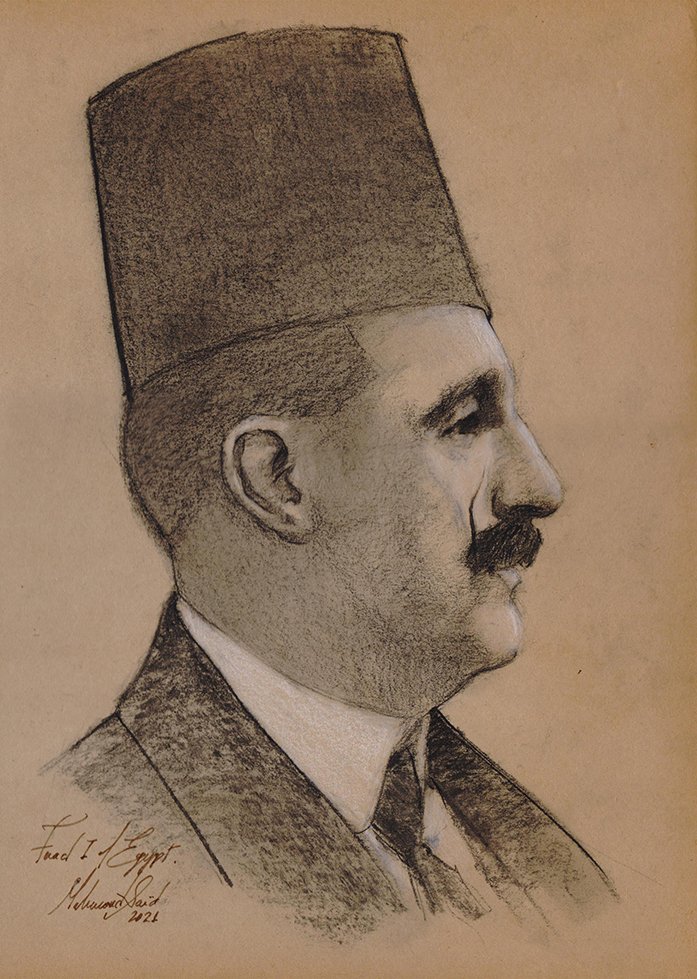
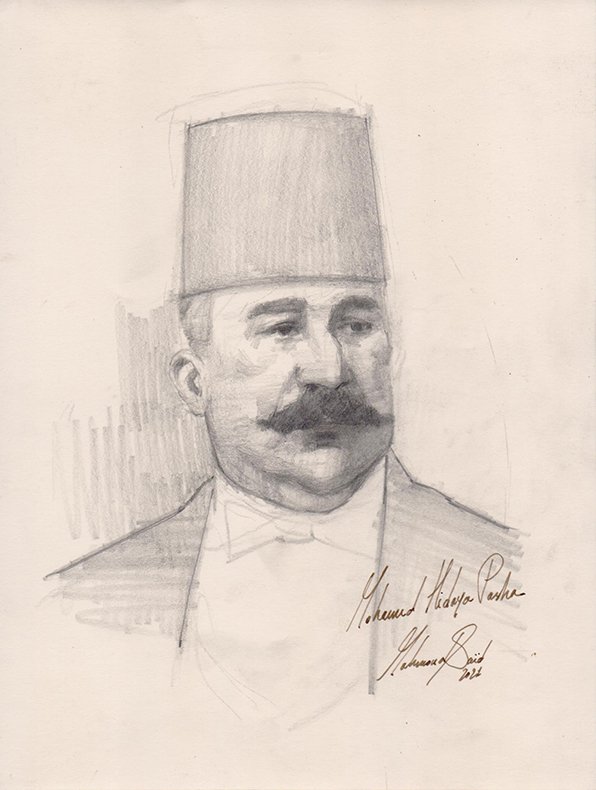
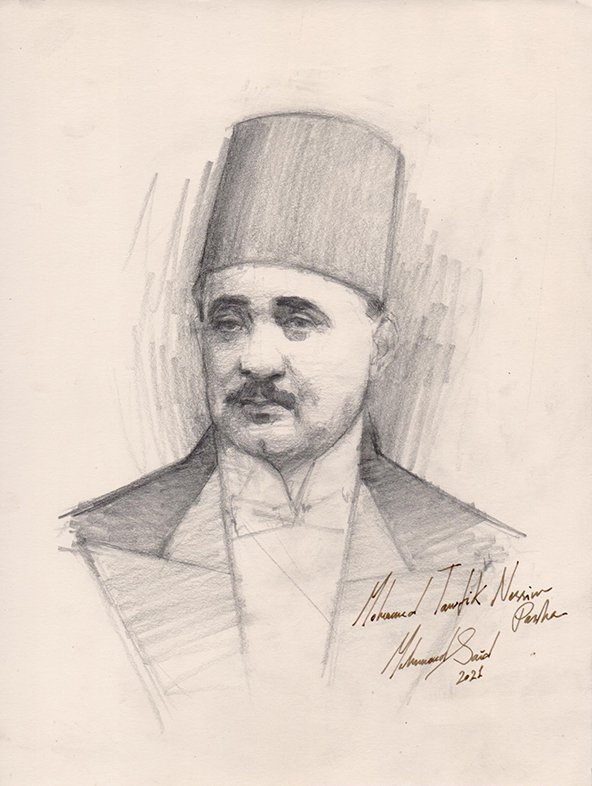
Alexandria 1921: The City and the People, created by Mohamed Adel Dessouki and Mahmoud Saïd, sought to reconstruct a portrait of Alexandria in 1921 through architecture, urban history, and social memory. Hosted by B’sarya for Arts in collaboration with the Centre d’Études Alexandrines (CEAlex), the exhibition was presented as part of Journées du Patrimoine Alexandrin – 12e édition (2021).
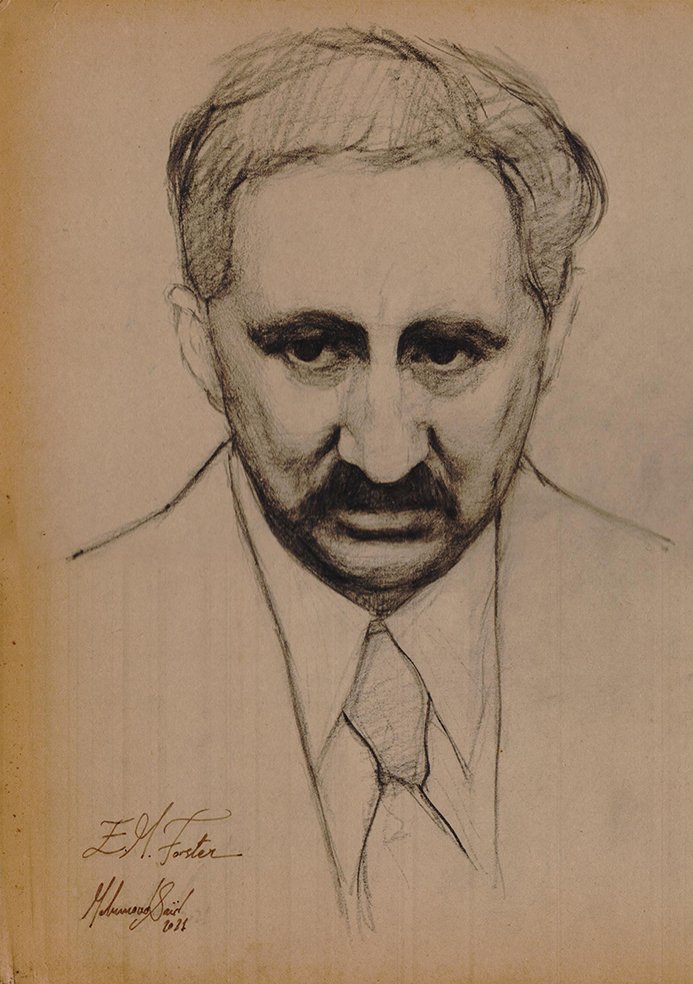
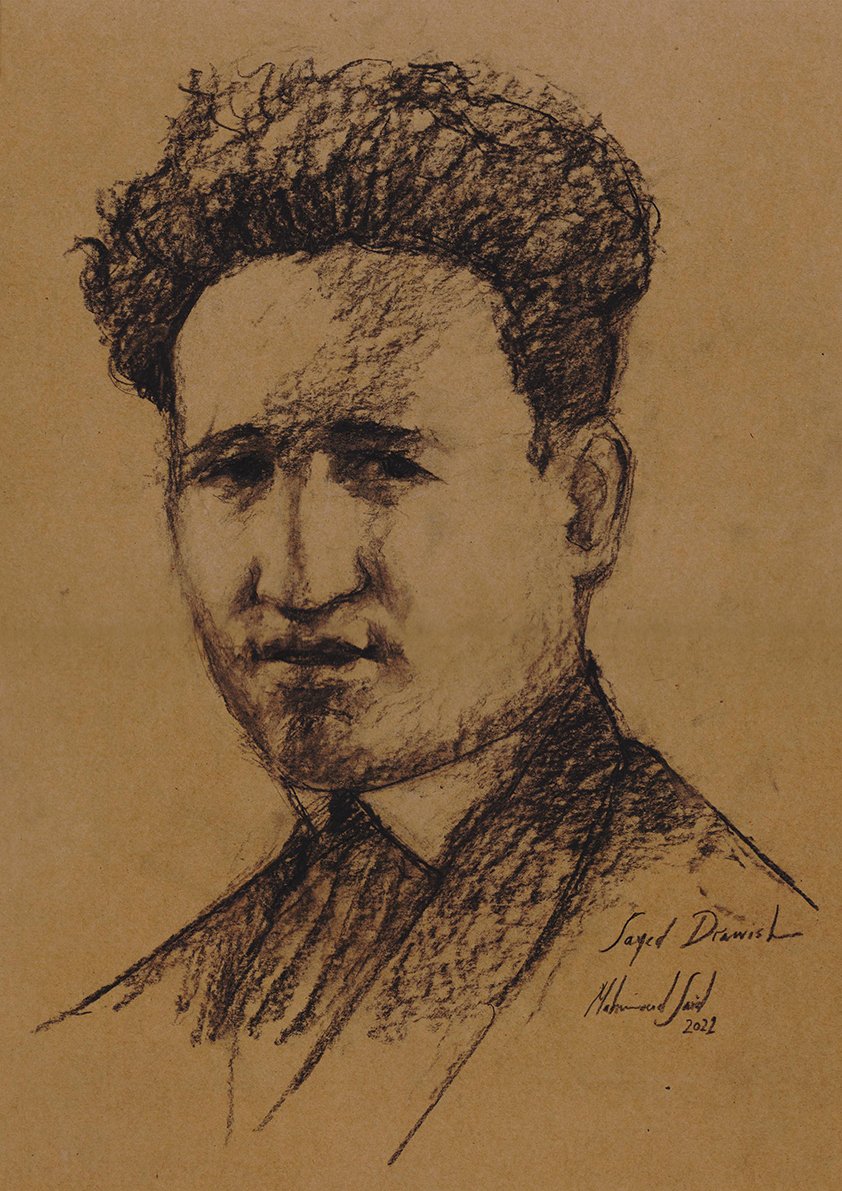
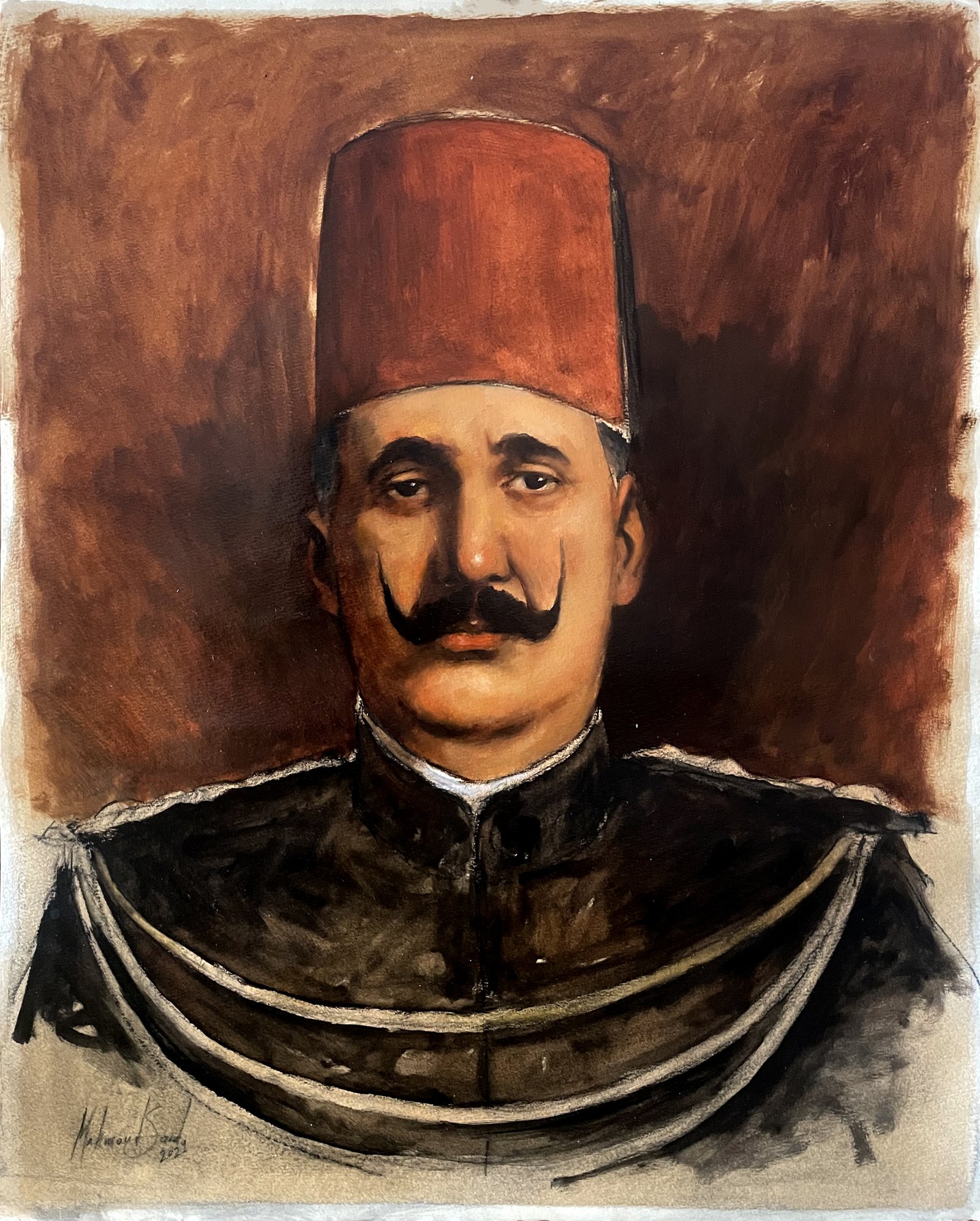
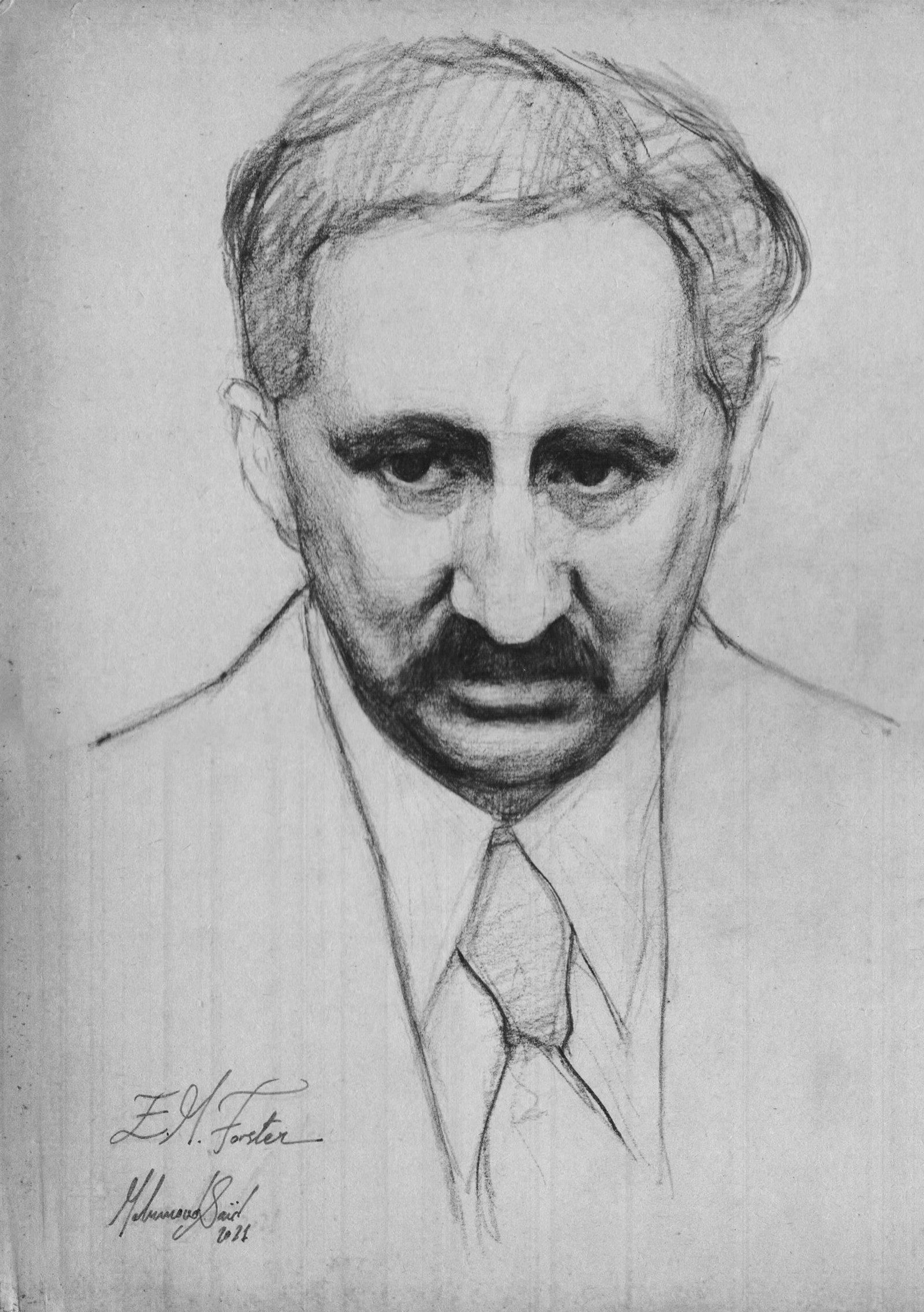
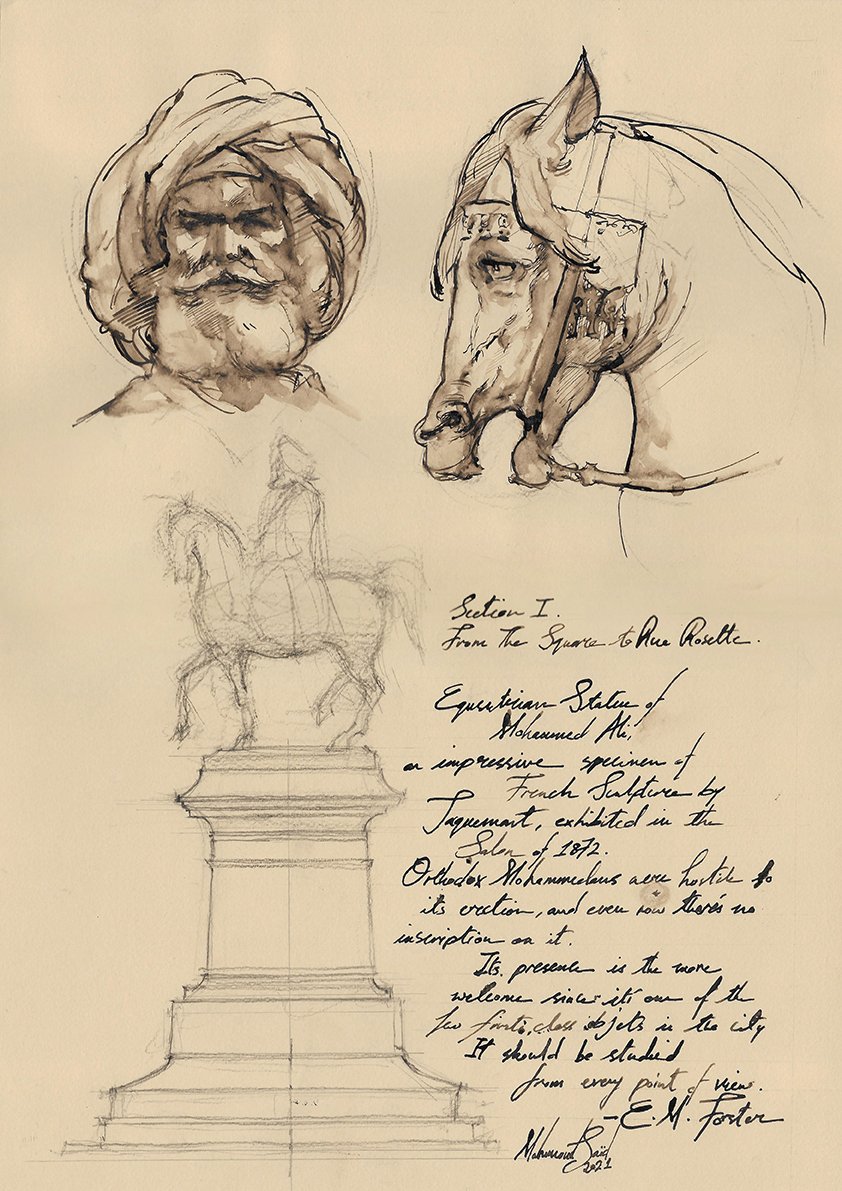
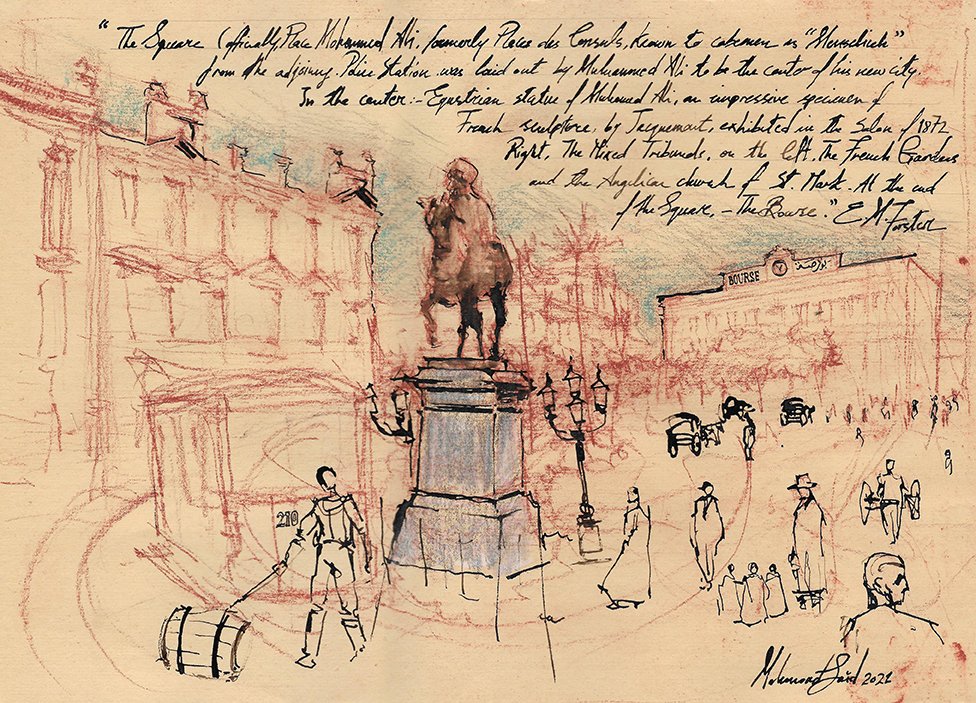
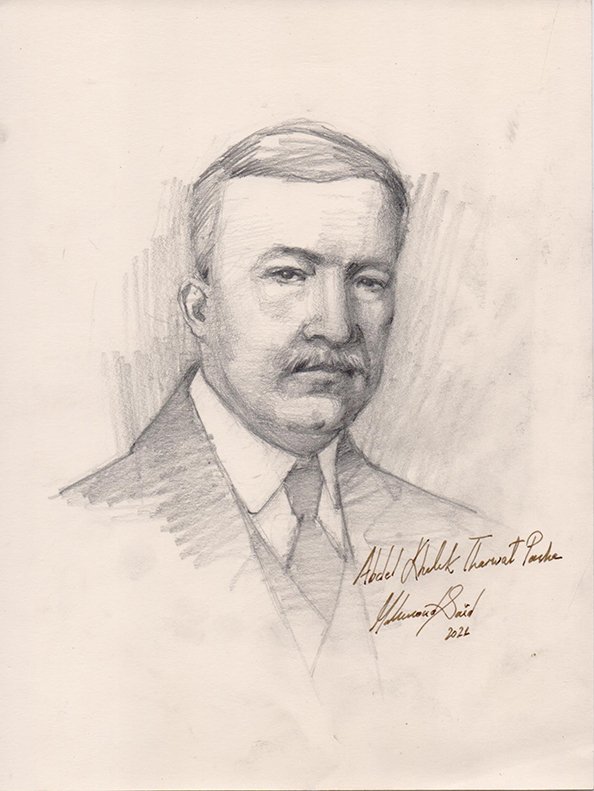
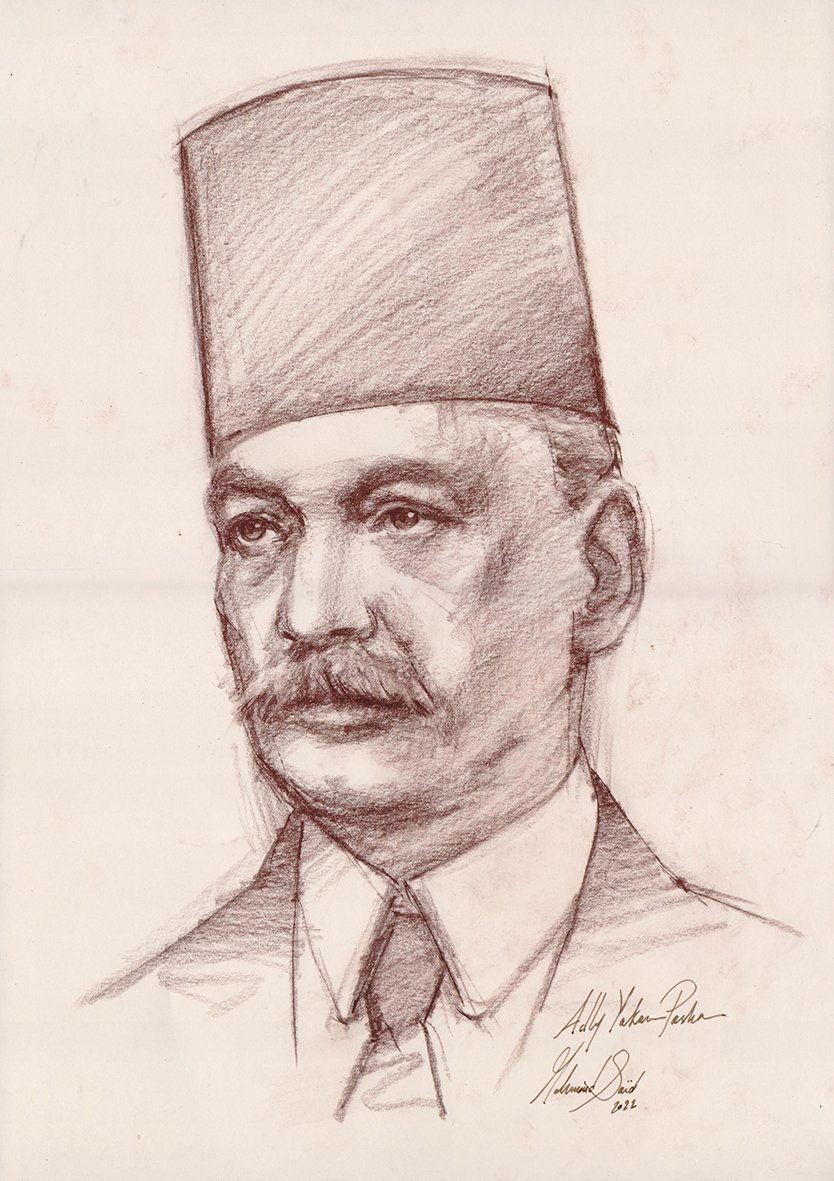
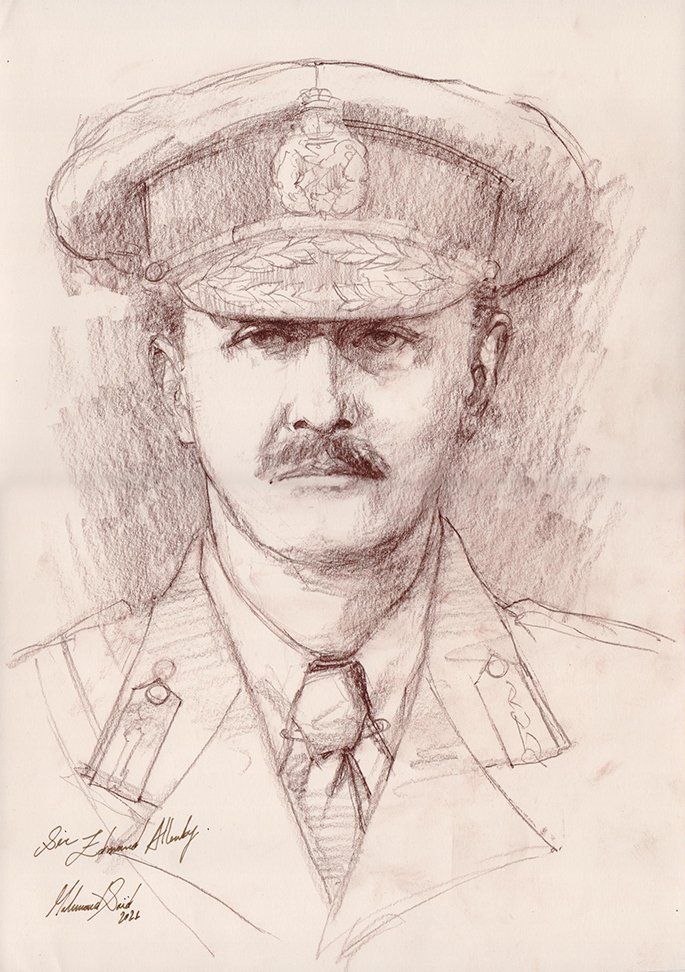
The exhibition took as its starting point E. M. Forster’s Alexandria: A History and a Guide (1922), comparing his literary description of the city with archival photographs, historical documents, and maps from the same period to create a visual narrative parallel to the written text. While Forster documented Alexandria’s urban landscape and historic sites, the exhibition expanded this perspective by investigating the city’s social history and the events and personalities that shaped Alexandrian life during the period.
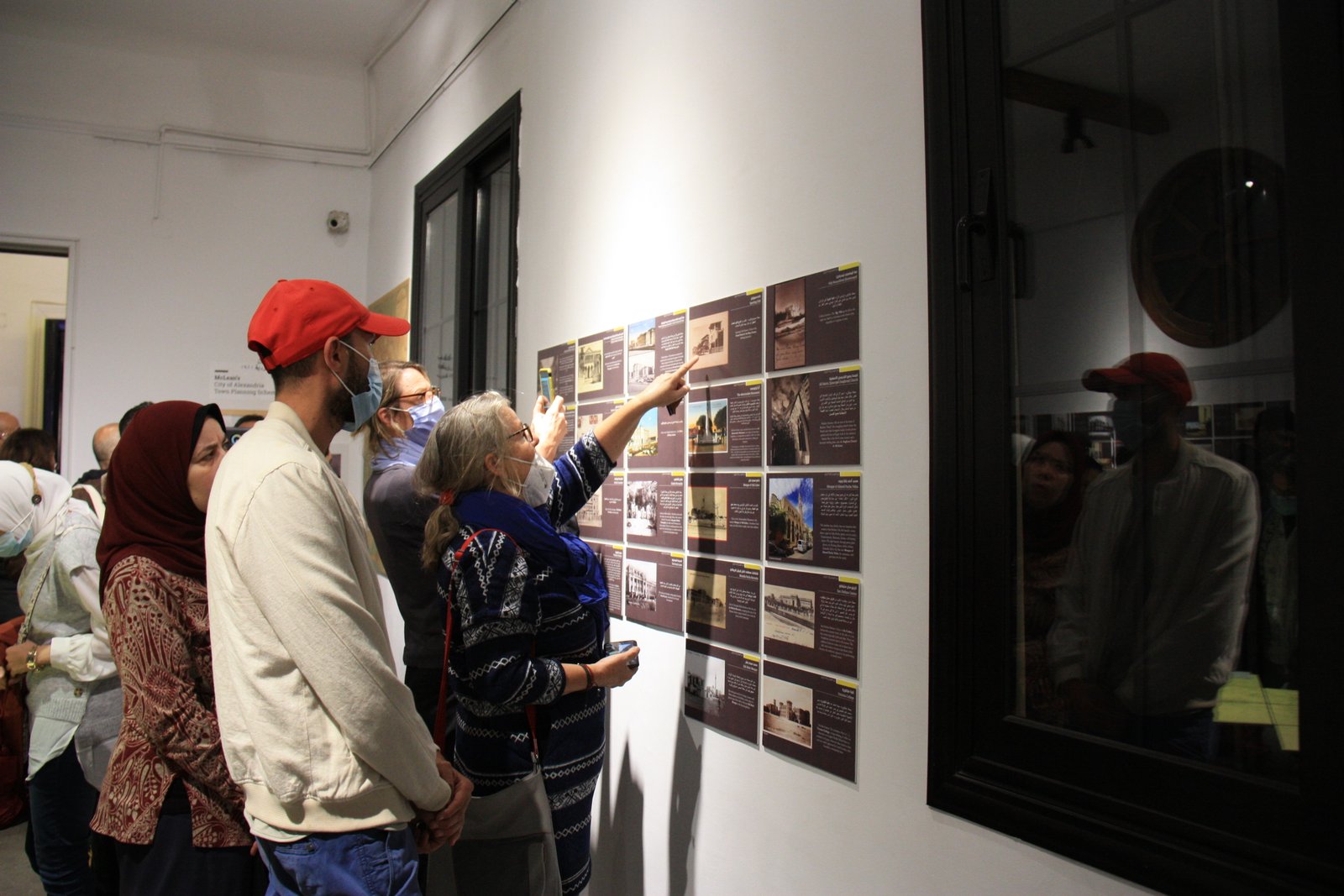
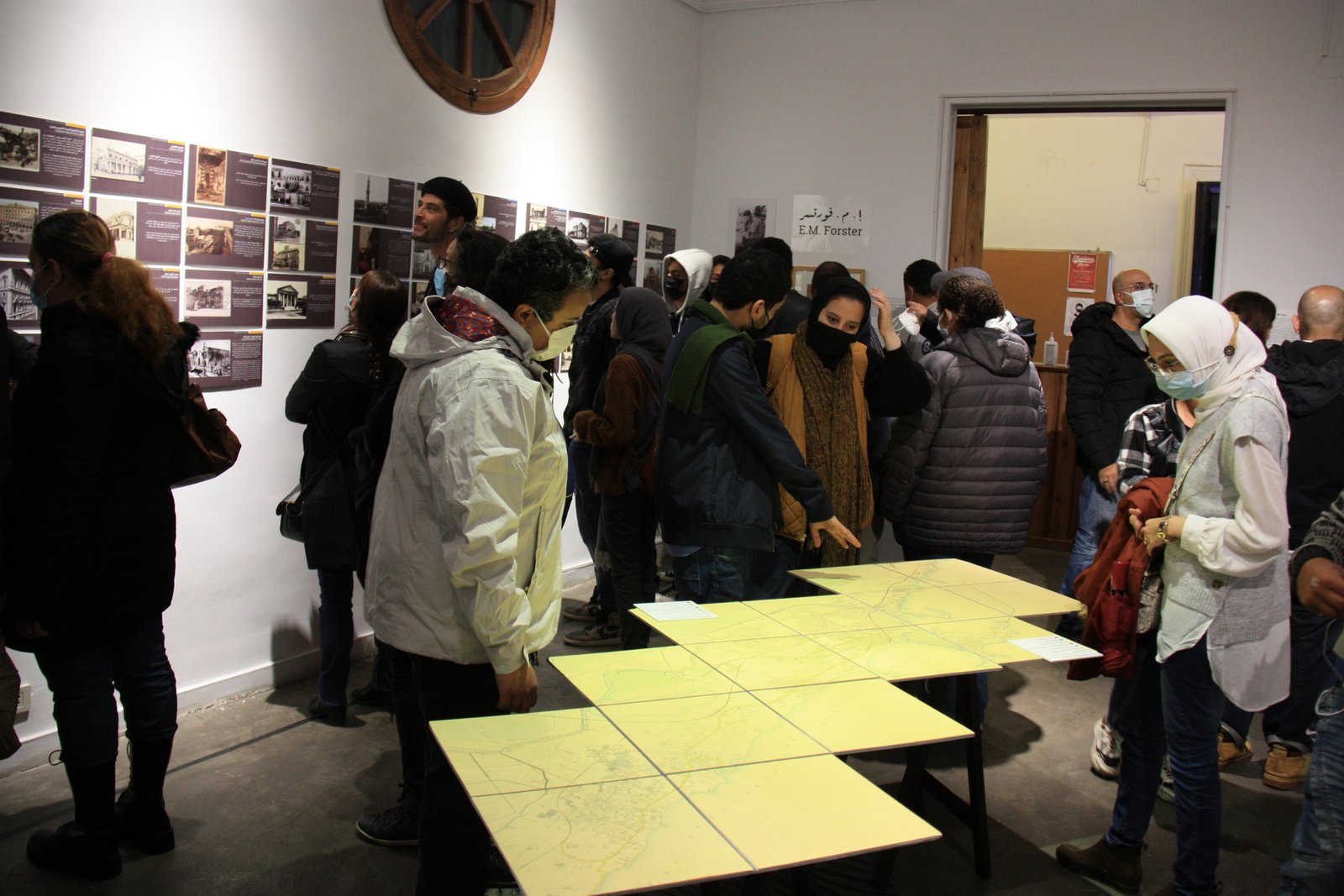
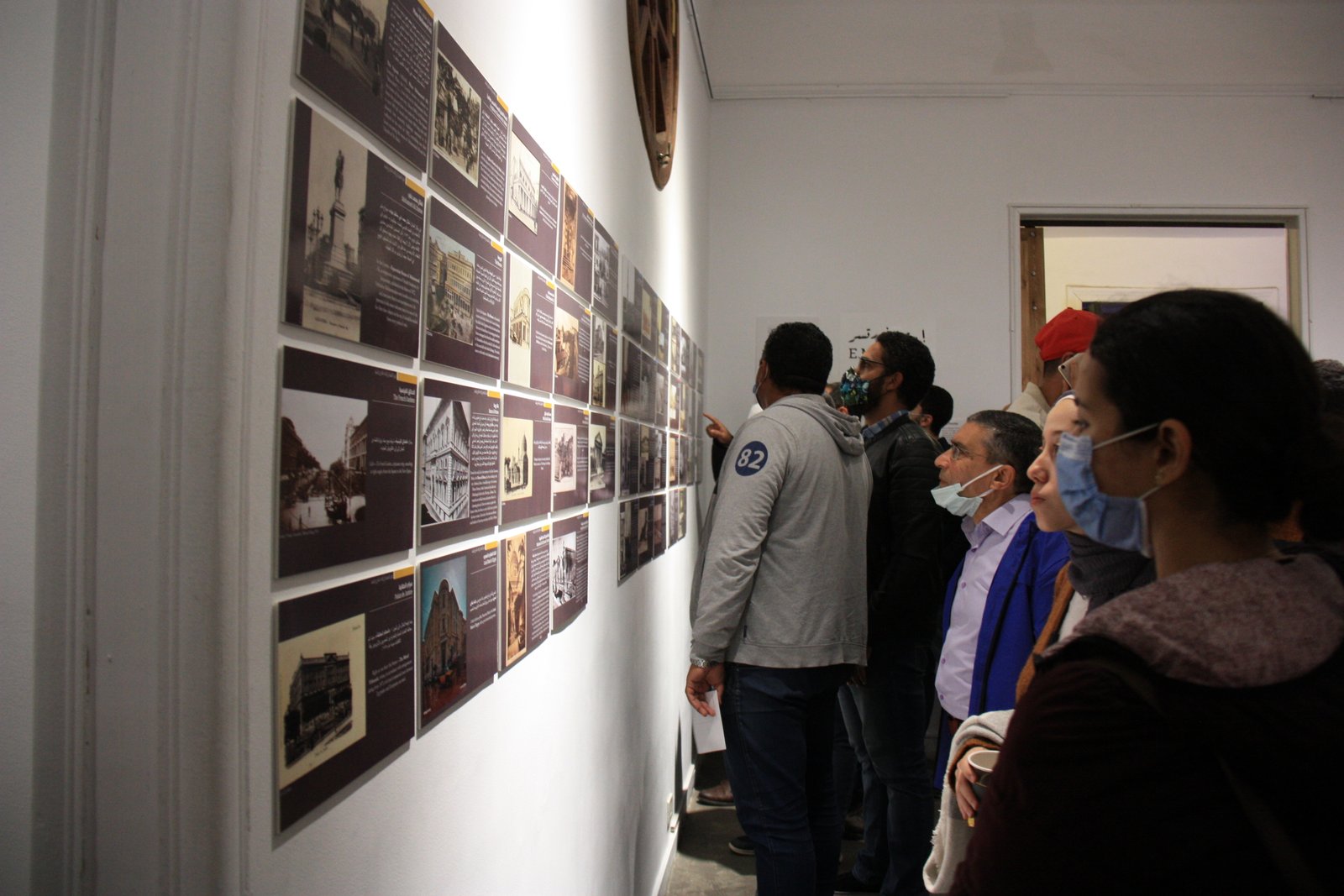
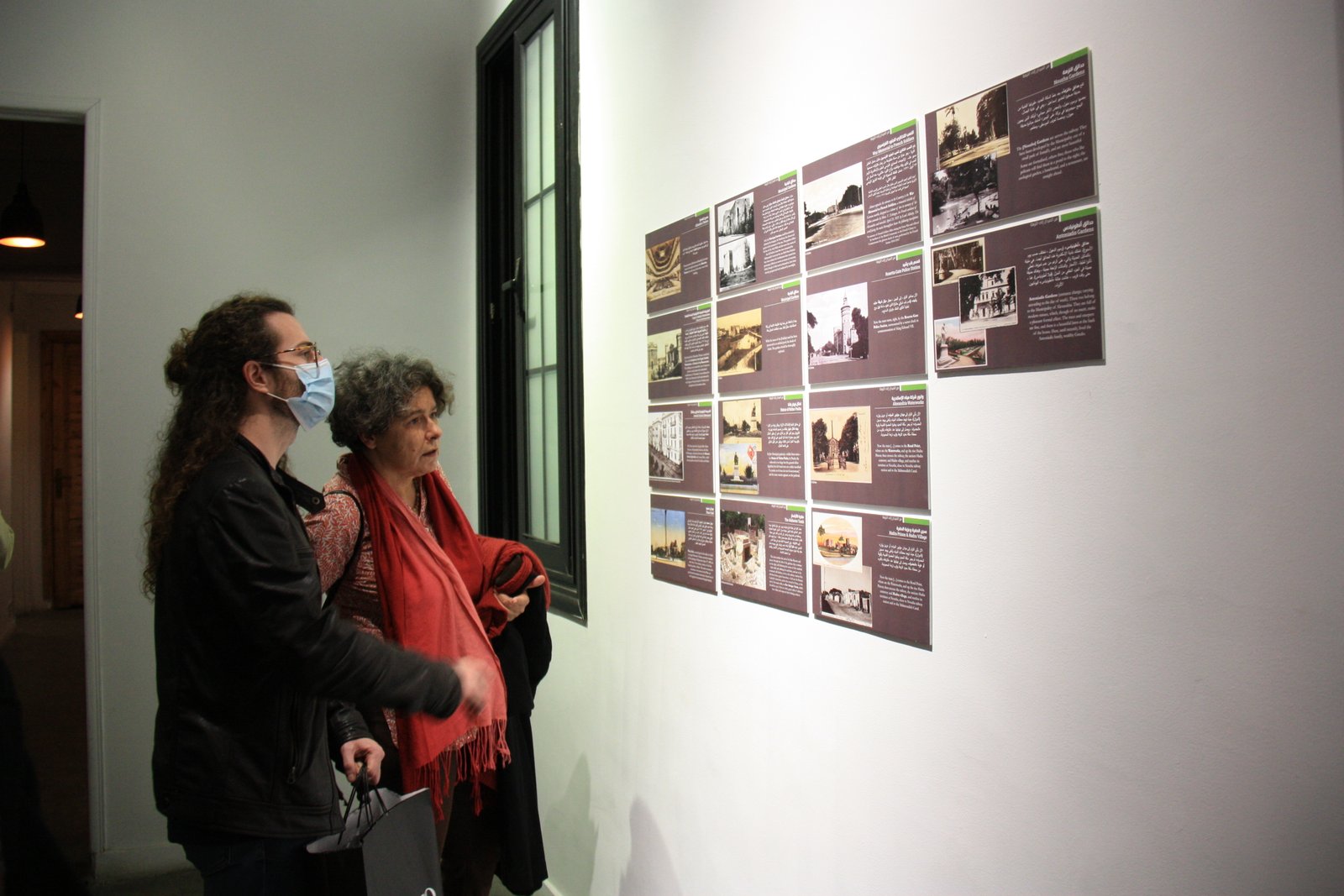
Six itineraries described by Forster were mapped onto a 1912 survey map of Alexandria, each represented through a different color code and beginning from Place Mohamed Ali Square (Manshiyya), extending across the city. At the center of the exhibition, a large-scale interactive map installation invited visitors to explore Alexandria through these routes, while nearly one hundred archival images and translated excerpts from Forster surrounded the space as visual references. Through this installation, visitors were encouraged to reflect on Alexandria’s urban transformation and compare the city of today with that of a century ago.
.jpg)